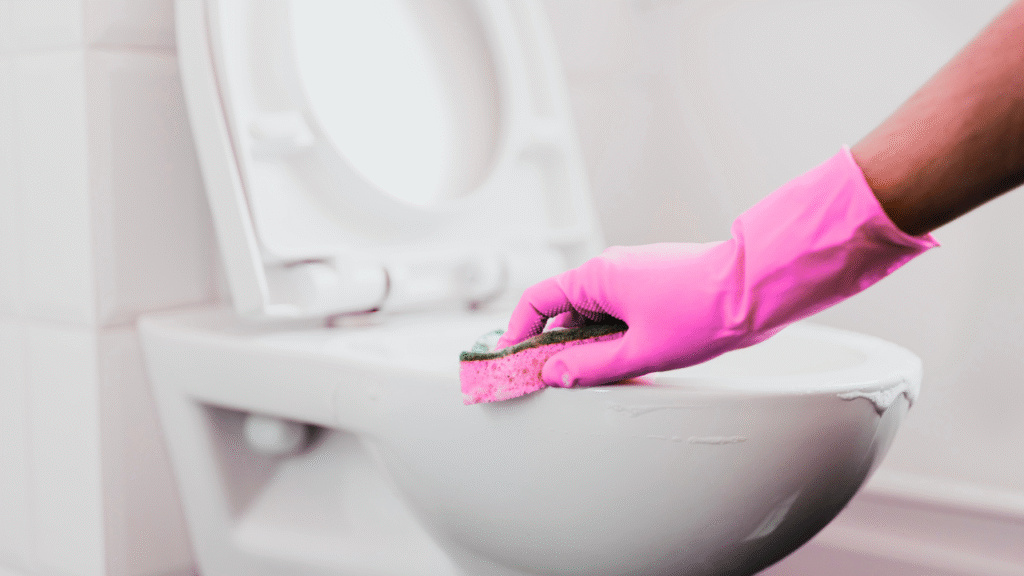

Understanding the difference between deep cleaning and regular cleaning can help homeowners make informed decisions regarding their cleaning schedules and budgets. Regular house cleaning refers to the routine maintenance practices carried out to ensure a clean and hygienic living environment. Typically performed on a weekly or biweekly basis, this type of cleaning focuses on the most frequently used areas of the home. The primary goal is to keep the home organized and to prevent the accumulation of dirt and germs that can lead to health issues.
The process of regular cleaning involves several basic tasks aimed at maintaining cleanliness. Dusting is one of the fundamental activities, removing dust particles from surfaces like shelves, furniture, and electronics. This not only enhances the appearance of the home but also aids in improving indoor air quality. Vacuuming carpets and rugs is another essential part of regular house cleaning, as it eliminates dust, allergens, and any microscopic organisms that may be present.
Mopping hard surfaces, such as tile or hardwood floors, is equally important. This step helps to remove sticky residues and spills, ensuring a safe and pleasant environment. In addition, cleaning bathrooms and kitchen surfaces is a crucial aspect of routine cleaning. Regularly scrubbing sinks, toilets, and countertops not only decreases the risk of mold and bacteria build-up but also keeps odors at bay.
Overall, the frequency of regular cleaning depends on the household’s specific needs. Families with pets or young children may require more frequent sessions to stay on top of messes. The primary purpose of regular cleaning is to sustain a tidy space, which can significantly contribute to one’s overall well-being. Understanding the difference between deep cleaning and regular cleaning is essential when considering the upkeep of your home, as each serves its own unique function in domestic maintenance.
What is Deep Cleaning?
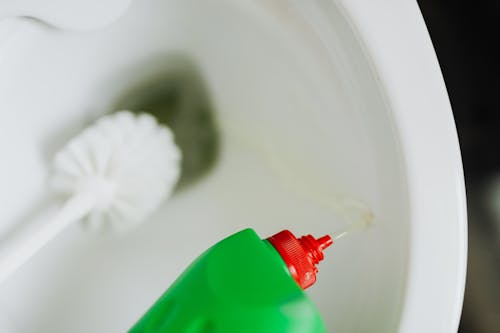
Deep cleaning is a meticulous and thorough cleaning process that transcends the scope of regular cleaning practices. While regular cleaning typically involves surface-level tasks, such as sweeping, dusting, vacuuming, and mopping, deep cleaning delves into the nooks and crannies of a home, targeting hidden dirt, grime, and buildup that often go unnoticed during routine cleanings. This comprehensive approach is essential for maintaining a healthy and sanitary environment, as it addresses areas that may harbor allergens, bacteria, and other harmful substances.
Deep cleaning is generally recommended every three to six months, depending on individual circumstances and the level of activity within the household. For instance, homes with pets, young children, or high foot traffic may require more frequent deep cleaning sessions to ensure that all surfaces remain free from dust and allergens. The goal is not merely to maintain cleanliness but to achieve a thorough sanitation of the living space.
During a deep cleaning session, various areas and surfaces are targeted, including carpets, upholstery, kitchen appliances, and bathroom fixtures. This process often involves the use of specialized tools and products that are more effective in removing stubborn stains, dirt buildup, and other contaminants. Additionally, deep cleaning often includes tasks such as washing windows, cleaning behind and under furniture, and scrubbing grout in tile surfaces. It not only enhances the appearance of your home but also contributes to a more hygienic atmosphere.
The difference is significant; deep cleaning is more comprehensive and intensive, aiming to create a healthier living environment by addressing hidden dirt and build-up. As a result, regular cleaning and deep cleaning complement each other in maintaining a clean and inviting home.
Key Differences Between Deep Cleaning and Regular Cleaning
When deciding between deep cleaning and regular cleaning for your home, it’s essential to understand the key differences between the two methods. Each serves a unique purpose and varies significantly in its approach. Below, we present a comparison table to illustrate these differences across several important aspects.
| Aspect | Deep Cleaning | Regular Cleaning |
|---|---|---|
| Tasks Performed | Involves comprehensive cleaning of all surfaces, including hard-to-reach areas, appliances, and upholstery. Deep cleaning often encompasses tasks like scrubbing baseboards, cleaning behind large furniture, and sanitizing bathrooms. | Focuses on maintaining cleanliness through routine tasks such as dusting, vacuuming, mopping floors, and cleaning visible surfaces. |
| Frequency | Recommended every 6 months to a year, depending on the home’s needs and occupancy. | Typically done on a weekly or biweekly basis to uphold a general level of cleanliness. |
| Cost | Generally higher due to the extensive labor involved, specialized equipment, and comprehensive cleaning supplies required for thorough sanitation. | Lower cost as it usually requires less time and fewer supplies to perform the routine maintenance tasks. |
| Time Required | More time-consuming, often taking several hours or even a full day, depending on the size of the home and the extent of cleaning needed. | Less time-consuming, typically completed within a few hours depending on the tasks and the size of the living space. |
Understanding the difference between deep cleaning and regular cleaning can help homeowners make informed decisions regarding their cleaning schedules and budgets. Each method has its benefits and situational advantages, ensuring a clean and healthy living environment tailored to the inhabitants’ needs.
Areas Covered in Deep Cleaning That Are Missed in Regular Cleaning
When it comes to maintaining a clean and healthy home, understanding the difference between deep cleaning and regular cleaning is essential. Regular cleaning typically involves surface-level tasks such as dusting, vacuuming, and mopping. However, certain areas in a home often remain neglected in this routine process. In contrast, deep cleaning aims to address these overlooked areas, ensuring a comprehensive and thorough clean.
One common area that is frequently missed during regular cleaning is the baseboards. Dust, dirt, and grime can accumulate along these surfaces, which can impact the overall appearance of a room. Deep cleaning includes scrubbing baseboards to remove these buildups, resulting in a fresh and polished look throughout the home.
Another area often neglected is the vent and duct system. Regular cleaning might not reach these places, but deep cleaning ensures that the vents are free of dust and allergens. This not only improves indoor air quality but also contributes to the efficiency of your heating and cooling systems.
Behind appliances such as refrigerators and ovens is another spot overlooked by regular cleaning schedules. Over time, food particles, dust, and debris can collect in these hidden areas, creating an unsightly and potentially unhealthy environment. Deep cleaning takes the time to move these appliances and clean behind them thoroughly.
Tiled Areas
Furthermore, grout lines in tiled areas are often in dire need of attention. Regular cleaning may keep the surface looking decent, but deep cleaning involves scrubbing the grout, restoring its original color, and eliminating mold or mildew effectively. Cabinet interiors, which may house expired food items or dust, are also addressed in deep cleaning, ensuring a hygienic environment for your belongings.
Lastly, window tracks are commonly overlooked in regular cleaning routines. Dust and dirt can accumulate in these spaces, obstructing the smooth operation of windows. However, deep cleaning involves a meticulous approach to cleaning these tracks, enhancing the overall functionality and appearance of your windows.
Through these detailed tasks, it becomes evident how deep cleaning encompasses more than just the basics. Understanding the difference between deep cleaning and regular cleaning highlights the importance of a thorough cleaning regimen to maintain a fresh and healthy living space.
When Should You Choose Deep Cleaning?

Understanding when to opt for deep cleaning services is crucial for maintaining a healthy and inviting home environment. There are specific scenarios where a thorough cleaning goes beyond the capabilities of standard cleaning routines. One common situation requiring deep cleaning is preparing for events, such as family gatherings or holiday celebrations. In these instances, it is vital to ensure that every nook and cranny of your home is spotless, allowing you to create a welcoming atmosphere for your guests.
Another context where deep cleaning is necessary is during the process of moving in or out of a residence. A deep clean can help new occupants settle into their new home with confidence, ensuring that the space is free of dust, allergens, and any residues left behind by previous residents. Conversely, if you are moving out, a thorough clean can impress potential buyers or renters, making the property more appealing.
Additionally, seasonal deep cleaning can greatly enhance the living environment. Many homeowners take the opportunity with changing seasons to declutter and deep clean their homes, which not only contributes to aesthetic improvements but also promotes better air quality by removing accumulated dust and allergens. This practice can be especially beneficial in spring and autumn, as it prepares your home for the upcoming seasonal changes.
Lastly, following renovations, the need for deep cleaning becomes even more pronounced. Dust, debris, and residues from construction materials can linger long after the work is completed. In such cases, a comprehensive cleaning ensures that both the newly renovated spaces and the entire home are left clean and habitable.
These scenarios illustrate the significant difference between deep cleaning and regular cleaning, emphasizing the circumstances in which in-depth services are particularly beneficial for your home.
Benefits of Deep Cleaning for Your Home and Health

Deep cleaning offers a multifaceted array of benefits that extend beyond mere aesthetics, profoundly impacting the health and well-being of the occupants within a home. Unlike regular cleaning, which typically involves surface-level tasks, deep cleaning delves into areas often overlooked. This enhanced level of cleanliness is vital for removing allergens, such as dust mites, pet dander, and mold spores, that can accumulate in various nooks and crannies.
One of the primary advantages of deep cleaning is its effectiveness in eliminating harmful bacteria and viruses. Standard cleaning products may not reach the depths required to eradicate these pathogens, especially in high-traffic areas or shared spaces. By utilizing thorough techniques, deep cleaning ensures that kitchens, bathrooms, and living areas are sanitized to a much higher standard, reducing the likelihood of illness and infections among family members. Consequently, this practice fosters an environment conducive to better health.
Air Quality
Additionally, deep cleaning significantly improves indoor air quality. Regular cleaning routines, while essential, often fail to address the pollutants that linger in hidden spaces such as behind appliances or in HVAC systems. By thoroughly cleaning these areas, deep cleaning not only enhances the aesthetic appeal of a home but also plays a crucial role in creating a healthier living environment. This is particularly beneficial for individuals with respiratory issues or allergies, as a significant reduction in airborne irritants can lead to easier breathing and improved overall health.
Moreover, maintaining a deeper level of cleanliness contributes to mental well-being by creating a more organized and serene living space. Homeowners often report that a clean environment reduces stress and anxiety, fostering a sense of peace within their homes. In conclusion, investing time and effort into deep cleaning provides essential health benefits, emphasizing the critical difference between deep cleaning and regular cleaning. A cleaner home directly correlates with better health and improved quality of life for its occupants.
How Often Should You Schedule Each Type of Cleaning?

Establishing a cleaning routine is essential for maintaining a healthy living environment. The frequency of cleaning can significantly impact the cleanliness and longevity of your home. Regular cleaning and deep cleaning both play crucial roles, but they serve different purposes and should be scheduled accordingly.
Regular cleaning, which involves basic tasks such as dusting, vacuuming, mopping, and surface wiping, should ideally be carried out on a weekly basis. This type of cleaning helps to manage day-to-day messes and prevents dirt and grime from building up. For households with high traffic, young children, or pets, more frequent regular cleaning might be beneficial. Regular maintenance tasks create an organized, comfortable home and complement the deeper cleaning required to tackle accumulated dirt.
On the other hand, deep cleaning is necessary to ensure a thorough sanitation of your living spaces and should be scheduled less frequently. Ideally, homeowners should conduct deep cleaning once every quarter. This type of cleaning involves addressing areas that are typically neglected during regular cleaning sessions, such as behind appliances, inside cabinets, and on light fixtures. Deep cleaning can also include carpet and upholstery cleaning, ensuring that these surfaces remain in good condition and prolong their lifespan. Depending on individual lifestyles, more frequent deep cleaning may be needed, particularly in homes that experience heavy usage.
By structuring your cleaning schedule around the difference between deep cleaning and regular, you can create a practical routine that maintains your home’s cleanliness and hygiene. Understanding these frequencies will not only keep your living spaces inviting but also allow for a more manageable approach to home upkeep.
Professional Cleaning Services: What to Expect
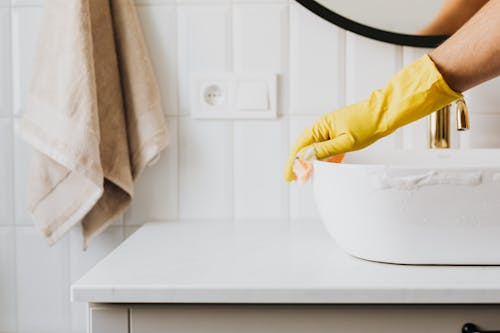
When you hire a professional cleaning service, understanding the process they follow is essential to set the right expectations. Initially, most companies will assess your space to determine the level of cleaning required, whether it’s a deep clean or merely a regular upkeep. This evaluation helps them customize their approach to ensure all cleaning needs are met effectively.
The staff employed by these services typically undergo rigorous training in cleaning techniques and best practices. They are proficient in distinguishing between deep cleaning and regular cleaning, understanding how to tackle various surfaces, and utilizing appropriate tools. This expertise allows them to provide thorough cleaning that often surpasses what could be achieved through standard methods. Additionally, many companies prioritize the safety and health of their clients by adhering to eco-friendly practices. This includes the use of biodegradable and non-toxic products that are safe for both your home environment and the planet.
Another beneficial aspect of hiring professional cleaning services is the satisfaction guarantee that many companies offer. This policy reassures clients that if the cleaning does not meet their expectations, the service will address any issues promptly. Such guarantees foster trust and encourage clients to utilize services without concern. Moreover, knowing that their team is insured and bonded offers additional peace of mind, as it protects against any potential damages or accidents that might occur during the cleaning process.
In essence, engaging professional cleaning services provides a comprehensive solution for maintaining cleanliness in your home. With trained staff, eco-friendly products, and a satisfaction guarantee, clients are well-equipped to enjoy the distinct differences between deep cleaning and regular cleaning, creating an environment that is not only clean but also healthy and inviting.
Deep Cleaning vs. Regular Cleaning Cost

When considering the difference, one of the most significant aspects to evaluate is the cost. Regular cleaning services are typically less expensive than deep cleaning. This is primarily because regular cleaning involves standard tasks such as vacuuming, dusting, and mopping floors, which can be completed in a relatively short amount of time. In contrast, deep cleaning entails a more thorough and detailed approach, often requiring additional time and specialized equipment.
The pricing for regular cleaning services usually reflects a flat rate per hour or a set price based on the size of the area being cleaned. On the other hand, deep cleaning costs can vary widely depending on factors like the size of the space, the level of cleaning required, and the specific services included. Deep cleaning often involves comprehensive tasks such as scrubbing tile grout, cleaning behind appliances, and addressing hard-to-reach areas. Consequently, the upfront cost for deep cleaning may be significantly higher than that of regular cleaning.
However, it is essential to assess the value of each cleaning type. While regular cleaning maintains the home’s cleanliness on a day-to-day basis, deep cleaning enhances the overall hygiene and can prolong the life of household items. For households with allergies or pets, investing in deep cleaning may provide health benefits, justifying the additional expense. Ultimately, homeowners should evaluate their cleaning needs, budget, and the potential long-term benefits of deeper cleaning services when deciding between regular and deep cleaning options.
Book Your Next Cleaning Service in Portland, Oregon
Maintaining a clean and comfortable living environment is essential for both physical and mental well-being. Understanding the difference between deep cleaning and regular cleaning can help you make informed decisions regarding your home maintenance. If you’re in Portland, Oregon, and looking to enhance the cleanliness and comfort of your home, now is the perfect time to consider professional cleaning services.
Regular cleaning typically involves the basic tasks needed to keep a home tidy, such as dusting, vacuuming, and mopping. On the other hand, deep cleaning encompasses a more thorough approach, targeting areas that are often neglected during routine cleanings. This can include scrubbing baseboards, cleaning behind appliances, and addressing other hard-to-reach spaces. By opting for deep cleaning services periodically, you ensure that your home is not only visually clean but also hygienically sound.
In Portland, there are numerous professional cleaning companies ready to assist you in achieving a pristine living space. Booking a cleaning service is straightforward and can often be done via a simple online platform. Many companies provide the option to receive quotes instantly, allowing you to compare services and find a plan that suits your needs. Whether you require a one-time deep clean or regular maintenance, these professionals are equipped to deliver high-quality results according to your specifications.
Taking action to book your next cleaning service can greatly improve your home’s atmosphere. Call or visit a website today to schedule a cleaning appointment and experience the benefits of a professionally cleaned home. Understanding the difference between deep cleaning and regular cleaning will empower you to make the right choices for maintaining your living space. Your home deserves the best care possible, and professional cleaning services in Portland are here to help.