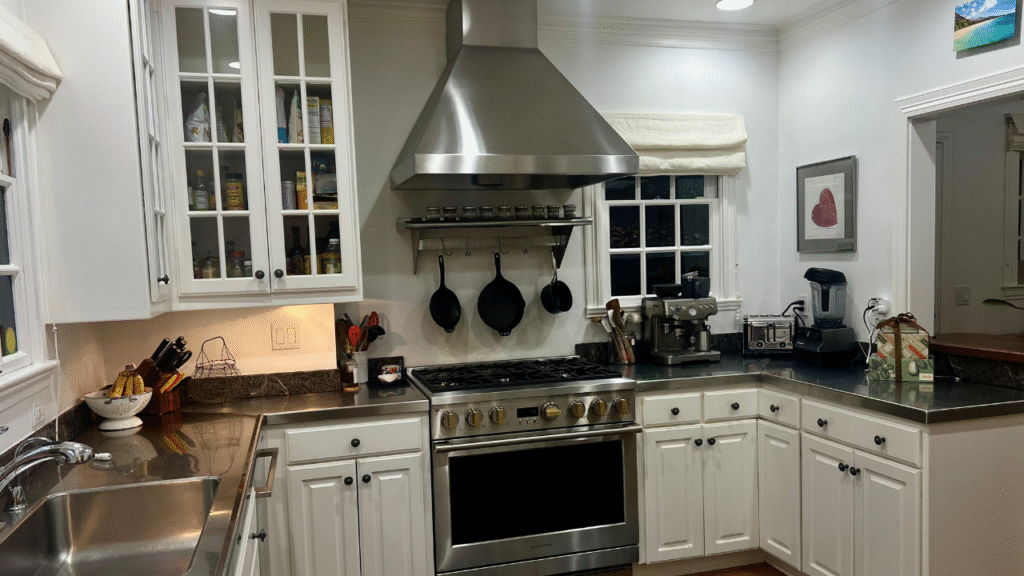
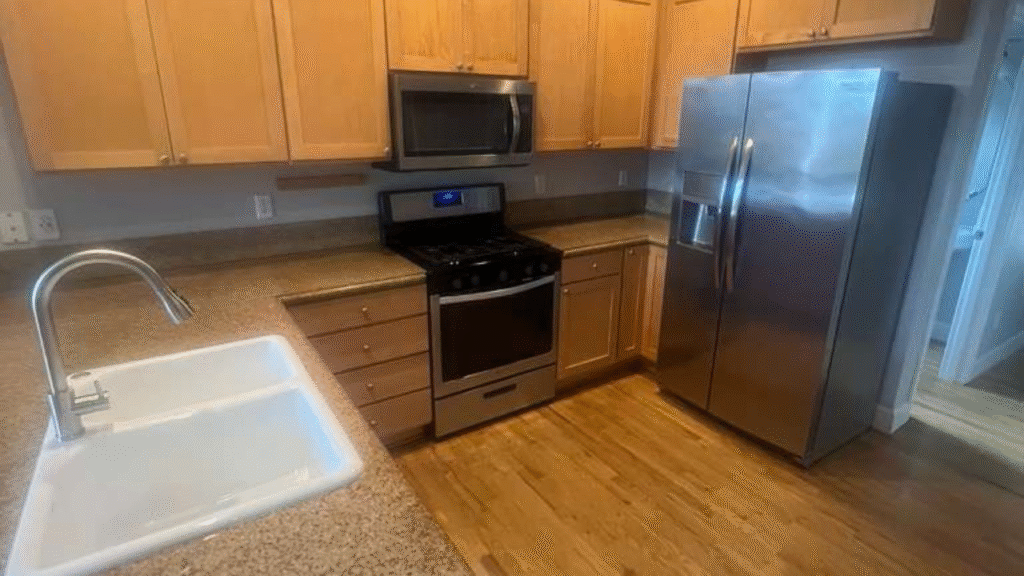
The kitchen serves as the heart of the home, pivotal not only for meal preparation but also for family interactions and creating lasting memories. A clean kitchen is fundamental to a harmonious household, acting as a backdrop where daily life unfolds. When your kitchen clean and organized, it fosters an inviting atmosphere, encouraging family members to come together for meals and conversations. This space becomes a hub of activity, where relationships strengthen and traditions are formed.
Moreover, maintaining a clean kitchen significantly contributes to a stress-free environment. Clutter and disorganization can lead to feelings of overwhelm and anxiety, making cooking a burdensome task rather than an enjoyable one. A well-maintained kitchen allows individuals to navigate their culinary space with ease, reducing frustration during meal preparation. Seamless access to tools, ingredients, and cooking surfaces can enhance efficiency, making daily cooking routines more pleasant.
Additionally, a clean and organized kitchen plays a crucial role in promoting healthier cooking habits. With a tidy environment, individuals are more likely to reach for fresh, whole ingredients rather than processed foods. The ability to see and access fresh produce and other healthy staples encourages nutritious meal choices, ultimately contributing to overall well-being. Furthermore, by making the kitchen a clean space, individuals can more effectively manage food storage, minimizing waste and promoting sustainability in meal planning.
In conclusion, the significance of maintaining a clean kitchen transcends aesthetics. It is essential for establishing a nurturing space that fosters family connection while promoting healthier habits and reducing stress. The role of the kitchen in daily life cannot be understated, as its cleanliness and organization directly influence both physical and emotional well-being.
Establishing a Daily Kitchen clean Reset Routine
Maintaining a clean kitchen is an ongoing commitment that requires regular attention. A daily reset routine can dramatically improve the cleanliness and organization of your kitchen, making it a stress-free space. By dedicating just 10 to 15 minutes each evening, you can create a systematic approach to keeping your kitchen clean and ready for the next day’s activities.
Start by assembling your necessary cleaning supplies, which may include a sponge, all-purpose cleaner, dish soap, and a cloth for drying. This preparation ensures that you have everything at hand to maintain efficiency during the reset process.
First, address the dishes. Quickly stack or load them into the dishwasher, ensuring that any stubborn food particles are rinsed away. If you wash by hand, fill the sink with warm soapy water to soak pots and utensils while you attend to other tasks. This initial step is vital, as it sets the tone for an overall tidy kitchen.
Next, clear the countertops. Remove any items that do not belong in the kitchen and place them in their appropriate locations. Once the surfaces are clear, use your all-purpose cleaner to wipe down the countertops, ensuring you address all spills and crumbs that can accumulate during the day. This small action can significantly enhance the look of your kitchen.
Organize
In addition to surfaces, don’t forget to organize any stray items that may have found their way into your kitchen. Putting away food items, cleaning utensils, and discarding any waste contributes to a visually appealing and efficient cooking space.
Finally, take a moment to set the stage for the following day. Consider preparing your coffee maker for breakfast, organizing your meal prep items, or laying out ingredients. A well-prepared kitchen not only looks clean but also saves time during busy morning hours.
By committing to this daily routine, the kitchen will remain consistently clean and organized, helping alleviate the stress often associated with meal preparation and family gatherings. This simple practice further encourages a proactive approach to kitchen maintenance, allowing for a more enjoyable cooking experience.
Mastering the Art of Cleaning as You Cook
Cleaning as you cook is a practice that offers numerous benefits, making your kitchen clean and your cooking experience far more enjoyable. By adopting a proactive approach to tidying up during meal preparation, you can significantly reduce the amount of time spent on post-dining cleanup. This practice not only ensures that your workspace remains organized but also helps maintain an efficient workflow, allowing you to focus solely on creating delicious meals.
To successfully implement cleaning as you cook, begin by organizing your ingredients and utensils before starting. Lay out everything you need on the countertop, and keep a large bowl for held scraps or waste. This simple step helps minimize mess and ensures that you can address spills or drops immediately without halting your cooking process. For instance, if you accidentally spill a small amount of sauce or ingredients on the counter, utilize a damp cloth to wipe it up right away instead of waiting until you finish cooking.
Moreover, designate areas in your kitchen for dirty utensils and equipment. Consider using a small container or a sideboard to gather knives, cutting boards, and mixing bowls that have been cleaned. Keep a sponge and dish soap nearby to hand wash minor items quickly as you use them. Additionally, rinsing pots and pans while they’re soaking can eliminate stubborn residue, drastically reducing scrubbing time later. Lastly, develop the habit of cleaning your cooktop and countertops after completing each step, such as after chopping vegetables or sautéing. This approach not only keeps your kitchen clean but allows for a smoother transition from cooking to dining.
Keeping Countertops Clutter-Free
Maintaining clear countertops is pivotal for creating a spacious and inviting kitchen atmosphere. A clutter-free kitchen not only enhances the aesthetics of the space but also improves its functionality, allowing for easier meal preparation and efficient cleaning. One of the first strategies for keeping countertops clean is to evaluate the items that currently reside on the surface. Frequently used appliances, such as toasters or coffee makers, may need to remain accessible; however, those used infrequently should find a designated spot in cabinets or storage spaces.
Another effective way to reduce countertop clutter is to establish organized spaces for essential items. Designating specific zones for cooking utensils, cutting boards, and spices can streamline the cooking process and ensure that every item has its place. Consider utilizing drawer organizers or shelf risers to maximize the use of vertical space in drawers and cabinets, which can free up the countertops significantly. Furthermore, incorporating attractive storage solutions—such as decorative baskets or canisters—can enhance the kitchen’s aesthetics while providing practical storage options for frequently used items.
Additionally, it is beneficial to adopt a routine cleaning practice. After preparing meals, take a moment to wipe down countertops, replacing items back to their designated spots. This small but consistent habit will prevent the accumulation of clutter and ensure that the kitchen remains tidy. It may also be helpful to engage family members in maintaining the cleanliness of shared spaces. Allocating daily or weekly assignments can foster a sense of teamwork while ensuring that the countertops remain clutter-free.
Organizing Cabinets and Drawers Effectively
Maintaining a clean kitchen extends beyond merely wiping counters and washing dishes; it necessitates a thoughtful approach to organizing your cabinets and drawers. Effective organization not only allows for easier access to cooking essentials but also promotes an overall environment conducive to cooking and cleaning. By implementing dividers, bins, and labeled containers, you can significantly enhance the functionality of your kitchen storage.
Dividers are particularly useful in drawers, as they create separate sections for utensils, cutlery, and various kitchen gadgets. This arrangement diminishes the likelihood of clutter and enables quick access to the tools you need while preparing meals. Consider investing in adjustable dividers to customize your storage system according to the items’ size and frequency of use.
Bins can be remarkably effective for organizing cabinets. They allow you to group similar items together, such as spices, canned goods, and baking supplies. Labeling these bins can also streamline the process of locating specific items, making your kitchen clean and user-friendly. Furthermore, implementing clear bins or containers allows you to see contents at a glance, preventing the need to rummage through cabinets, which can often lead to disarray.
Additionally, consider the placement of items based on their usage frequency. Store commonly used cooking tools and ingredients at eye level or in the most accessible drawers to save time and minimize effort during food preparation. Less frequently used items can be placed in higher cabinets or the back of lower shelves. This strategic organization ensures that your kitchen is both functional and clean, allowing you to focus on your culinary endeavors without the distraction of search or disorder.
Implementing a Weekly Deep Cleaning Schedule
A well-maintained kitchen is crucial for a hygienic and efficient cooking environment. Implementing a weekly deep cleaning schedule is paramount in preventing grime and dirt accumulation, enabling you to enjoy a clean kitchen without the stress of neglect. A systematic approach to deep cleaning will not only enhance the aesthetic appeal of your kitchen but also ensure that it remains a safe space for food preparation.
To facilitate this process, consider creating a checklist of essential tasks to address during your deep cleaning sessions. These tasks can include wiping down countertops and cabinets, cleaning major appliances such as the oven and refrigerator, and scrubbing sinks and faucets. Additionally, don’t forget to clean smaller appliances, including microwaves and toasters, to remove any hidden crumbs or stains that could contribute to unwanted odors or pests.
Another important aspect of a thorough kitchen clean involves floor maintenance. Sweeping and mopping floors weekly is vital for removing food particles and spills that can lead to slippery surfaces and attract insects. You may also want to incorporate a task to declutter your kitchen area, ensuring all items are organized and easily accessible, which reduces stress during meal preparation.
Consider revisiting your pantry and refrigerator every week to check for expired items or spoiled food. Organizing these spaces makes it easier to find necessary ingredients and maintains a clean appearance. Furthermore, composting or disposing of food waste regularly helps in sustaining a hygienic kitchen atmosphere.
Incorporating a weekly deep cleaning schedule ensures that your kitchen remains an inviting space. By adhering to a structured checklist, you can effectively manage dirt and clutter before they accumulate, promoting both cleanliness and organization in your cooking area.
Caring for Kitchen clean Appliances
Maintaining kitchen appliances is essential for ensuring their longevity and optimal performance. Stoves, refrigerators, and microwaves are pivotal in our daily cooking routines, and regular cleaning prevents the buildup of grime and bacteria that can compromise food safety. Establishing a cleaning routine helps manage both hygiene and the efficiency of these crucial tools.
After a heavy cooking session, it is advisable to implement a thorough cleaning of your kitchen appliances. For stoves, wipe down surfaces with a warm, soapy cloth to remove spills and food residue. Pay special attention to the burners, as food particles can become stubborn if left unchecked. For gas stoves, cleaning the grates and burners post-cooking is vital to maintain fire safety and prevent odors.
Refrigerators also require consistent attention. Regularly check for expired items and wipe down shelves with a vinegar solution to sanitize and eliminate unpleasant odors. Annual deep cleaning is recommended to address hidden spills and ensure that the appliance operates efficiently. This practice can also enhance energy efficiency, reducing electricity consumption.
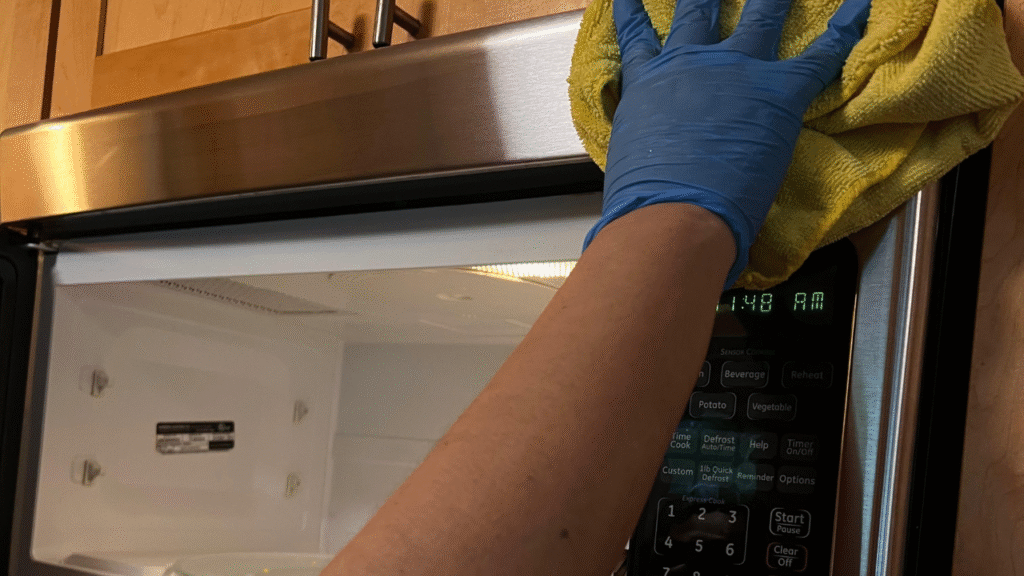
Microwaves, while often overlooked, are another critical appliance that requires routine cleaning. After each use, it is a good habit to wipe down the interior and exterior surfaces. For a more thorough clean, consider using a microwave-safe bowl filled with water and lemon juice, heating it for a few minutes to release steam that softens any stuck-on food. This approach not only cleans but also helps to neutralize odors.
By adopting these cleaning practices and tending to your appliances regularly, you can both maintain a clean kitchen environment and ensure the longevity of your kitchen tools. Having a clean kitchen ultimately leads to more enjoyable and effective cooking experiences.
The Benefits of Hiring Professional Cleaning Services
Maintaining a pristine kitchen clean can often become a daunting task, particularly in the hustle and bustle of daily life. This is where professional residential cleaning services come into play, offering a solution that not only alleviates the burden of kitchen upkeep but also guarantees optimal results in cleanliness and organization. With their expertise, these cleaning professionals can transform your kitchen into a space that is both hygienic and pleasant, allowing you to focus on what truly matters.
One significant advantage of employing expert cleaners is the time-saving aspect. Busy professionals and families often struggle to carve out time for thorough kitchen cleaning, especially after long workdays. By entrusting this responsibility to skilled individuals, you can reclaim valuable hours that can instead be spent on family, hobbies, or relaxation. Furthermore, professional services typically employ teams who can tackle the job more efficiently than an individual would, ensuring that every nook and cranny of the kitchen is addressed.
Additionally, professional cleaners bring knowledge and specialized tools that enhance the cleaning process. They are trained to use the appropriate cleaning agents and techniques tailored to different surfaces and materials within your kitchen, ensuring a deep clean that is often difficult to achieve with standard household products. Accessibility to advanced equipment, such as steam cleaners or industrial-grade disinfectants, can significantly elevate the hygiene standards in your cooking space. This level of thoroughness can help in prolonging the lifespan of your kitchen appliances and surfaces, thereby contributing to a more organized and clean environment.
In conclusion, hiring professional cleaning services can simplify the task of kitchen maintenance, especially during busy periods. With their expertise, you can achieve an optimal kitchen clean and enjoy the benefits of a stress-free, organized space that enhances both functionality and aesthetics.
Transforming Your Kitchen clean into a Stress-Free Zone
A clean and organized kitchen is essential for creating a stress-free cooking environment. Implementing simple habits can significantly transform how you interact with this vital space in your home. One of the fundamental strategies to ensure a kitchen clean and functional is to establish a daily cleaning routine. By dedicating just a few minutes each day to tidying up, you can prevent clutter from accumulating and keep your kitchen looking its best.
Equally important is the organization of cooking tools and supplies. Arrange your kitchen to facilitate smooth workflows. Keeping frequently used items within easy reach and designating specific spots for kitchen appliances can minimize chaos during meal preparations. Utilizing storage solutions, such as drawer dividers and clear containers, further enhances organization and makes locating items a breeze, ensuring that your kitchen remains both clean and efficient.
Additionally, committing to a weekly deep cleaning schedule can elevate your kitchen’s cleanliness. This may involve wiping down surfaces, sanitizing countertops, and thoroughly cleaning the appliances that tend to be overlooked during daily tidying. Such dedicated periods of cleaning not only promote hygiene but also help maintain a space conducive to creativity and enjoyment in preparing meals.
Moreover, cultivating the habit of cleaning as you cook can dramatically reduce post-meal mess. By washing dishes, wiping counters, and putting away ingredients as you go, the task of cleaning up after cooking becomes significantly easier, contributing to an overall sense of peace in your kitchen.
In conclusion, implementing these habits and strategies can effectively transform your kitchen into a stress-free zone. A well-kept kitchen not only elevates the cooking experience but also fosters a healthier lifestyle, making your home life more enjoyable and organized.