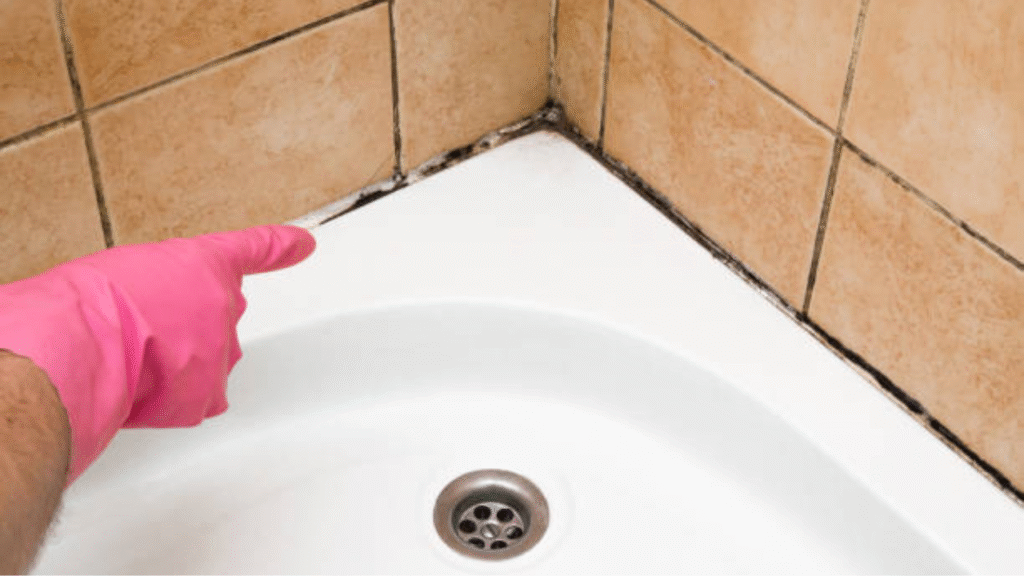
Remove mold is a common issue in bathrooms, particularly in showers where warmth and moisture create an ideal breeding ground for fungal growth. The shower environment is typically warm due to the use of hot water and often remains damp for extended periods, making it a perfect habitat for mold. Initially, it is essential to understand the various factors contributing to mold growth in this area.
One significant factor is humidity. Bathrooms, especially during and immediately after showers, have high humidity levels. This moisture can settle on surfaces, and if not adequately dried, leads to mold development. Poor ventilation further exacerbates the issue, as it prevents the escape of moisture-laden air. Working towards enhanced air circulation through open windows, exhaust fans, or dehumidifiers can notably reduce the moisture levels in your shower.
There are numerous types of mold that can thrive in showers, with some of the most common being Aspergillus, Penicillium, and Stachybotrys, commonly referred to as black mold. Each type of mold can pose various health risks, particularly to individuals with existing respiratory conditions, allergies, or weakened immune systems. Symptoms caused by mold exposure can include respiratory issues, skin irritation, and allergic reactions. Addressing mold growth promptly is crucial to mitigate potential health risks and prevent further complications.
Moreover, mold can lead to structural damage over time if left untreated. It can weaken bathroom fixtures, damage grout, and harm the integrity of walls and ceilings. Therefore, removing mold as soon as it appears is essential for both health and maintaining the condition of your home. Implementing preventive strategies and prompt action ensures that your shower remains a clean and safe space.
Identifying Different Types of Mold in Your Shower
Homeowners often discover unwanted guests in the form of mold in their showers, which can vary in color, texture, and potential health risks. Understanding the types of mold that can proliferate in such damp environments is vital for effective mold removal. The most common varieties found in showers include black mold, green mold, and red mold.
Black mold, scientifically known as Stachybotrys chartarum, is notorious for its association with various health issues. It typically appears as dark green or black patches and thrives in areas with high moisture. Its presence often indicates a serious water issue, such as leaks or inadequate ventilation. Exposure to black mold can lead to respiratory problems, allergic reactions, and other health complications. Thus, prompt action to remove this type of mold is paramount.
Green Mold Remove
Green mold, on the other hand, is usually less harmful and can be attributed to various species, including Aspergillus or Penicillium. It often emerges as green, fuzzy patches and is frequently found in showers that are not properly cleaned. While green mold may not pose significant health risks for most individuals, it may cause issues for those with weakened immune systems, making understanding how to remove mold crucial.
Another type, red mold, can also appear in the moist climate of showers. It is often mistaken for rust and can appear in various shades, ranging from pink to red. This mold type, commonly caused by Fusarium species, can thrive in damp conditions but is typically less harmful than black mold. Nevertheless, all types of mold should be treated with caution, as they can contribute to a decline in indoor air quality.
By recognizing these distinct types of mold, homeowners can make informed decisions regarding the necessary steps for removal and remediation. Regular maintenance and immediate action upon detection is key to preventing mold from becoming a more significant health issue.
The Dangers of Mold: Health Risks and Concerns
Mold is a common household issue that can pose significant health risks, particularly when it proliferates in areas like the shower. Exposure to mold can lead to various respiratory problems, including asthma attacks and chronic bronchitis. The spores released into the air can be inhaled, causing irritation in the nasal passages, throat, and lungs. This is especially concerning for individuals with pre-existing respiratory issues, as mold can exacerbate their conditions.
In addition to respiratory issues, mold exposure can also trigger allergic reactions. Symptoms may include sneezing, runny or stuffy nose, and skin rashes, which can range from mild to severe. Those who are particularly susceptible include infants, the elderly, and individuals with weakened immune systems. For these vulnerable groups, the presence of mold can lead to more serious complications, emphasizing the urgent need to remove mold promptly and effectively.
Moreover, prolonged exposure to mold may result in more severe health concerns, such as fungal infections, especially in immunocompromised individuals. The risk extends beyond mere discomfort; it can lead to long-term health implications that could affect one’s quality of life. Therefore, understanding the health risks associated with mold exposure is critical for all households.
Taking proactive steps to remove mold should be a priority for maintaining a healthy living environment. Vigilance in identifying moldy areas, particularly the shower, and addressing them can mitigate health risks and provide peace of mind for you and your family. Ensuring that your home remains mold-free is essential for everyone’s well-being, particularly for those most at risk.
DIY Natural Mold Remover: Step-by-Step Instructions
Creating a natural mold remover using undiluted white vinegar is an effective and safe alternative to harsh chemicals. This simple solution not only aids in removing mold but is also environmentally friendly and non-toxic. Below is a step-by-step guide to help you prepare and use this method effectively.
Step 1: Gather Your Materials
To start, you will need a spray bottle, undiluted white vinegar, a scrub brush or sponge, and rubber gloves for added protection. Ensure that the area where you will be working is well-ventilated to facilitate the mold removal process.
Step 2: Fill the Spray Bottle
Take the spray bottle and fill it with undiluted white vinegar. It is essential to use it in its pure form, as this concentrated solution is much more effective at eliminating mold spores compared to diluted versions. A quart-sized spray bottle is generally sufficient for most standard showers.
More Steps
Step 3: Apply the Vinegar Solution
Once your spray bottle is filled, it is time to apply the vinegar on the affected areas. Spray liberally over the moldy regions of your shower, including tiles, grout lines, and corners where moisture tends to accumulate. Ensure that all moldy surfaces are well-saturated with the vinegar, allowing it to penetrate effectively.
Step 4: Let it Sit
After application, allow the vinegar to sit for at least 30 minutes. This dwell time is crucial, as it gives the vinegar a chance to break down the mold’s structure, making it easier to remove afterward.
Step 5: Scrub and Rinse
After the waiting period, take your scrub brush or sponge and begin scrubbing the treated areas gently. You will notice the mold loosening and lifting away. Once complete, rinse the surfaces thoroughly with warm water, ensuring that all vinegar residue is washed away.
This method is not only effective but also considerably safer than using harsher chemicals, making it an excellent choice for regular maintenance of your shower spaces. By utilizing this natural approach, you can efficiently remove mold, contributing to a healthier living environment.
Effective Scrubbing Techniques for Mold Removal
Once you have applied your vinegar solution to the affected areas in the shower, the next step is scrubbing to effectively remove the mold. Utilizing the right tools is crucial in this process to ensure that you eliminate all mold spores without damaging the shower surfaces. A stiff nylon brush is highly recommended for this task due to its durability and efficacy.
To initiate the scrubbing process, begin by dampening the nylon brush with water. This will help to soften the mold and make it easier to scrub away. Start at the top of the moldy area and work your way down; this method prevents any loose mold particles from settling on clean areas below, facilitating a cleaner process.
It is also beneficial to apply a bit of elbow grease while scrubbing—this not only enhances your scrubbing effectiveness but also ensures that you reach porous surfaces where mold can embed itself. Circular scrubbing motions may be more effective in lifting stubborn mold while avoiding scratches on the surface. Additionally, for corners and hard-to-reach areas within the shower, using a smaller brush or toothbrush can maximize your cleaning efforts, allowing you to reach tight spaces where mold may be lurking.
As you scrub, frequently rinse the brush and the shower surface to wash away dislodged mold and debris. This will prevent the mold from returning to the surface or clinging to the brush itself. It’s essential to continuously check for any residual mold; if any traces remain, repeat the application of vinegar and go through the scrubbing process again. Once you feel confident that you have effectively removed the mold, rinse the entire shower area thoroughly with water to ensure a clean finish.
Cleaning Up: Post-Mold Removal Steps
Once you have successfully removed mold from your shower, it is imperative to proceed with a thorough cleaning process to ensure the area is completely sanitized and safe for use. Begin by ensuring that the shower area is well-ventilated. Open any windows and turn on the exhaust fan if available; this step will help to dry out the area and prevent further mold growth.
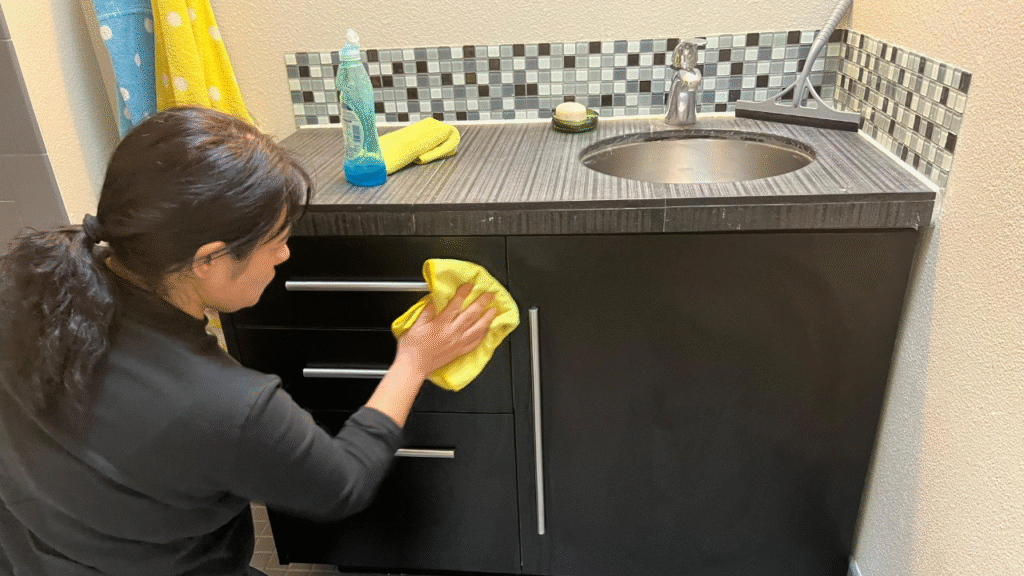
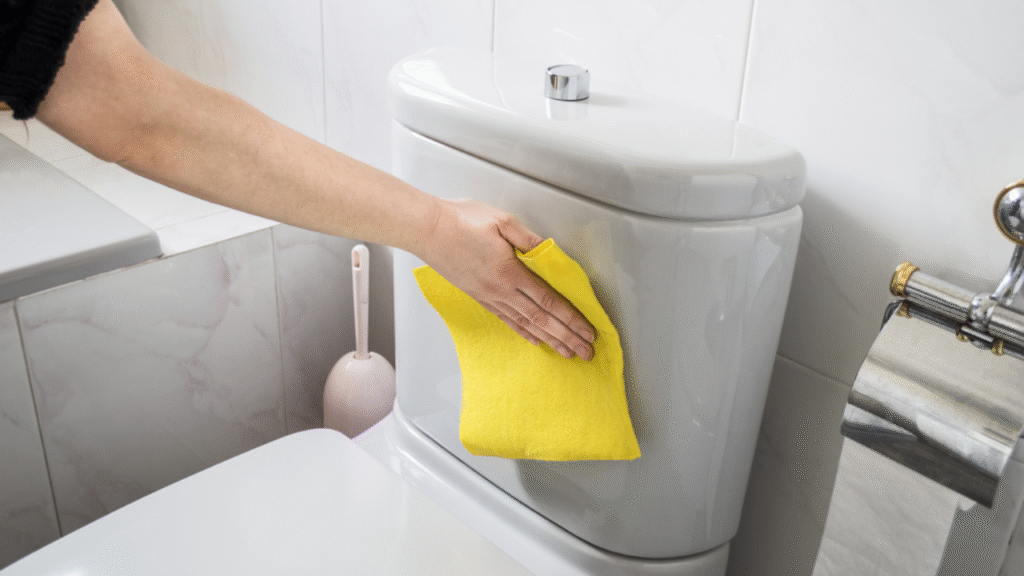
To begin the cleaning process, utilize a damp microfiber cloth or sponge. This type of cloth is particularly effective in picking up spores and debris without releasing them back into the air. Dampen the cloth with warm water and gently wipe down the affected surfaces where the mold was present. Pay close attention to corners, crevices, and any porous materials that can harbor mold remnants.
For enhanced cleaning, consider using a mixture of water and vinegar or a commercial disinfectant specifically designed to eliminate mold. This mixture can help to kill any remaining spores and provide additional sanitization. Spray the solution onto the surfaces and allow it to sit for about ten minutes before wiping it away with your microfiber cloth. Ensure you rinse the surfaces with clean water afterward to remove any cleaning product residue.
After the initial cleaning, check for any signs of mold resurgence in the coming days. Regular maintenance is essential; thus, consider establishing a routine where you thoroughly clean the shower at least once a week. This practice will help prevent mold from returning, ensuring your shower remains hygienic and pleasant for daily use.
In conclusion, proper post-mold removal cleaning is vital to preventing future infestations. By following these steps diligently, you will create a sanitary environment in your shower that minimizes the risk of mold regrowth.
When to Call a Professional: Signs You Need Help
Homeowners may often attempt to remove mold on their own, primarily due to the common belief that it can be resolved with basic cleaning products. However, certain circumstances warrant the expertise of a professional mold remediation service. Recognizing these indicators is crucial in maintaining a safe and healthy home environment.
One major sign that it is time to seek professional help is when mold growth is extensive. If mold is covering an area greater than a few square feet, it may signify a deeper issue that exceeds the expertise of standard household cleaning. This extensive mold growth often indicates that moisture issues need to be addressed, which professionals are specifically trained to evaluate.
Another prominent indicator is the presence of a persistent odor. If you notice a musty smell that lingers despite efforts to clean, this could imply that mold is growing in hidden areas, such as behind tiles or within walls. Attempting to mask these smells with air fresheners is insufficient; it is essential to properly identify and remove mold to eliminate the odor source.
Moreover, if mold keeps reappearing after you have made attempts to clean it, this may signal that the underlying cause of moisture has not been adequately addressed. Continuous mold growth, despite repeated cleaning efforts, indicates a need for professional intervention to remove mold effectively. Professionals possess the necessary tools and knowledge to not only treat visible areas but also to identify and resolve the root cause of moisture, which is essential for a long-term solution.
In conclusion, recognizing when to call a professional is vital for effective mold removal. Signs such as extensive growth, persistent odors, and recurring mold despite cleaning should prompt homeowners to seek expert advice to ensure the safety and health of their living spaces.
Preventing Future Mold Growth in Your Shower
Preventing mold growth in your shower is pivotal for maintaining a clean and healthy environment. There are several effective strategies you can implement to minimize the risk of mold development. One of the primary considerations is controlling humidity levels in the bathroom. Mold thrives in damp conditions; therefore, it’s essential to ensure proper ventilation. Installing an exhaust fan can greatly assist in reducing moisture levels. It is advisable to run the fan during and after each shower to eliminate excess humidity.
In addition to using an exhaust fan, ensuring that your shower space is well-ventilated when not in use can further help in mold prevention. Keep the bathroom door and windows open when possible, as this allows fresh air to circulate and reduces moisture accumulation.
Regular cleaning habits also play a significant role in mold prevention. Incorporate a weekly cleaning routine that includes mild cleaning agents to scrub surfaces commonly affected by mold, such as tiles and grout. Pay special attention to corners and seals where moisture can linger. An easy and effective solution is to create a mixture of water and white vinegar to disinfect and remove mold from the tiles and shower curtains.
Another practical approach is to apply a mold-resistant sealant to the grout lines and any areas prone to moisture. This preventative measure can create a barrier against mold spores, making it more difficult for them to take hold. Additionally, consider replacing any damaged or mold-infested caulk, as this can be a breeding ground for mold if neglected.
By incorporating these strategies into your shower maintenance routine, you can significantly reduce the likelihood of mold resurgence. Ongoing attention to humidity control, effective ventilation, and diligent cleaning will save time and worry in the long run, ensuring a mold-free shower environment.
Maintaining a Mold-Free Shower
Effectively removing mold is crucial not only for the aesthetic appeal of your shower but also for the health and well-being of you and your family. If you notice any signs of mold, addressing the problem promptly is essential to prevent it from spreading and causing potential health hazards. Regular maintenance of your shower area will play a significant role in keeping mold at bay.
Creating and adhering to a consistent cleaning schedule is one of the most effective strategies to prevent mold growth. Simple practices such as ensuring proper ventilation during and after showers, frequently wiping down surfaces, and using mold-resistant products can make a significant difference. By integrating these habits into your routine, you can minimize the conditions conducive to mold growth.
Furthermore, using mold removers and preventive treatments as discussed in this guide will aid in eliminating any existing mold and inhibit future development. It’s essential to understand that mold thrives in damp environments, so limiting moisture is key. Collectively, these actions not only enhance the cleanliness of your shower but also contribute to a healthier indoor environment.
Ultimately, maintaining a mold-free shower requires diligence and proactive measures. By staying vigilant and promptly addressing any signs of mold, alongside committing to regular cleaning, you can enjoy a fresher, cleaner shower experience for you and your family. Emphasizing both immediate removal and ongoing prevention measures will ensure your shower remains a safe and pleasant space for personal hygiene.