The hygiene of a household largely depends on the effectiveness of the toilet cleaning process. While many individuals may believe that a simple swipe with a toilet brush is sufficient, a comprehensive toilet cleaning procedure entails far more. Proper cleaning not only eliminates visible dirt but also addresses the underlying germs and bacteria that can accumulate over time, resulting in a healthier bathroom environment.
A successful toilet cleaning process involves employing the right techniques, tools, and cleaning products. The choice of cleaning agents plays a crucial role in how effectively a toilet can be sanitized. Products specifically designed for toilet cleaning are formulated to break down stains, eliminate odors, and inhibit the growth of bacteria and mold. When these products are used in conjunction with the correct techniques, the results can be remarkably effective.
This guide aims to provide readers with a step-by-step approach to the toilet cleaning process, elevating the basic cleaning routine to a meticulous practice. From selecting the best cleaning supplies to understanding the specific areas that require thorough attention, the forthcoming sections will cover essential micro-steps that contribute to achieving a virtually spotless toilet.
As we dive deeper into the intricacies of toilet cleaning, readers will discover that attention to detail can make a significant difference in the cleanliness of their bathrooms. Expect to learn about methods to tackle hard-to-reach areas, positions for optimal cleaning, and tips for maintaining toilet hygiene beyond the initial cleaning process. By consistently applying these strategies, maintaining a clean and sanitary toilet becomes an achievable goal for any homeowner.
Initial Inspection and Preparation
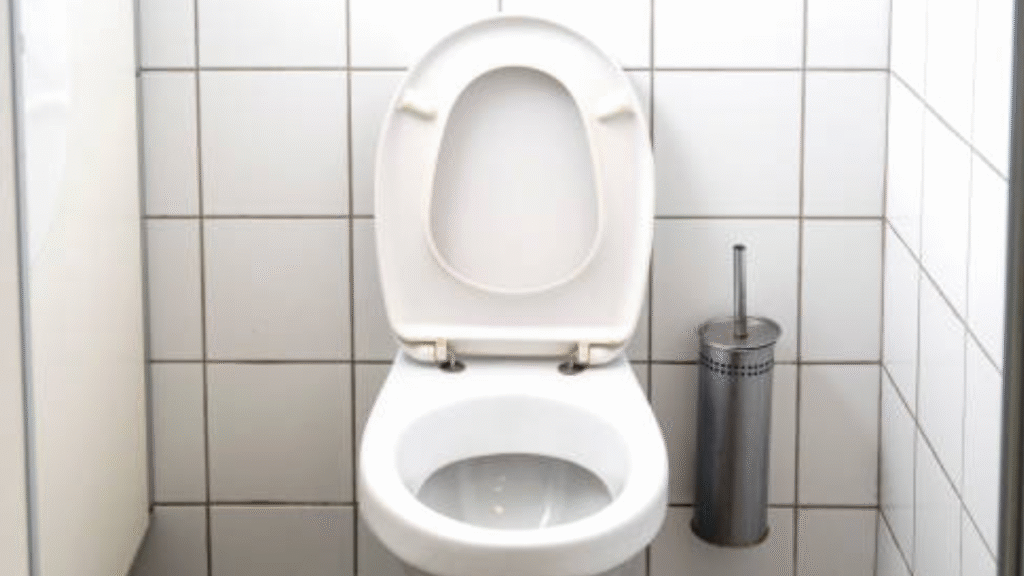
The initial inspection and preparation stage is a crucial component of the toilet cleaning process, as it sets the foundation for an effective clean. Before commencing any cleaning activities, it is important to assess the condition of the toilet. Professional cleaners typically evaluate the level of buildup, stains, and mineral deposits that have accumulated over time. This first step allows one to understand what cleaning challenges lie ahead and enables a tailored approach to the toilet cleaning process.
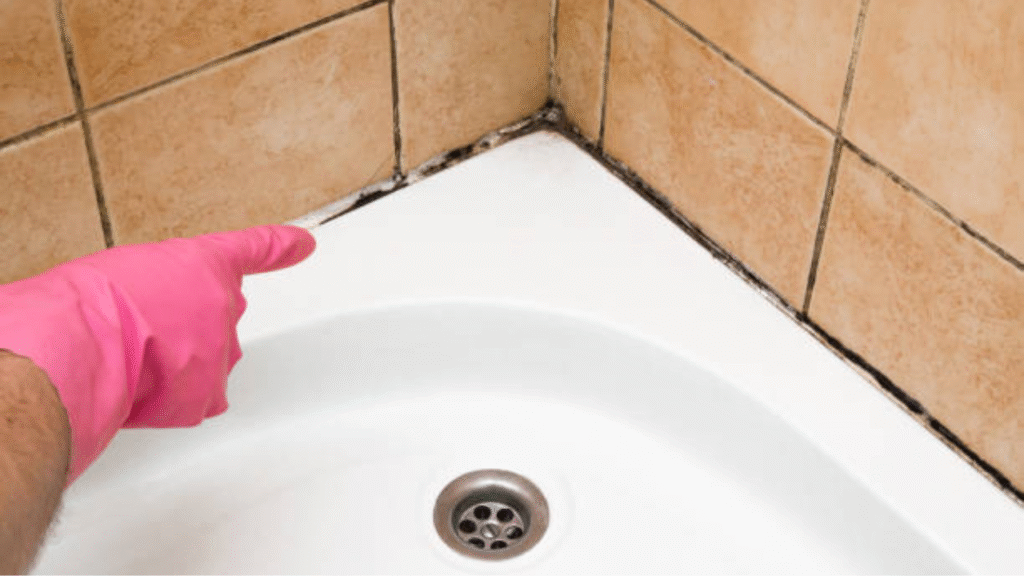
During the initial inspection, experts often look for signs of corrosion or staining under the rim, within the bowl, and around the base of the toilet. Checking areas that are typically hard to reach is essential, as buildup can accumulate unnoticed. Identifying the extent of any staining is crucial, as certain stains may demand specific cleaning solutions. For example, hard water stains may require a product with descaling properties, while organic matter might necessitate a disinfectant.
Once the assessment is complete, the operator must gather the necessary cleaning supplies. Choosing the right cleaning products based on the findings is vital, as improper selection can prolong the cleaning process or fail to achieve desired results. Additionally, understanding whether a multi-step approach is necessary can optimize efficiency. For instance, if stubborn stains are detected, it may be advisable to pre-treat those areas before proceeding with the standard cleaning process.
The initial inspection and preparation not only streamline the upcoming procedures but also enhance overall effectiveness. By investing time in this preliminary step, one can ensure that the toilet cleaning process is executed with precision, ultimately leading to a cleaner and more hygienic toilet environment.
Generous Application of Cleaning Product
To achieve an effective toilet cleaning process, the application of a professional-grade cleaning product is crucial. Begin by selecting a high-quality toilet cleaner that is specifically designed to target the unique challenges posed by toilet hygiene. Ideally, the cleaner should be powerful enough to dissolve stains, eliminate odors, and prevent the buildup of hard water deposits and mineral stains.
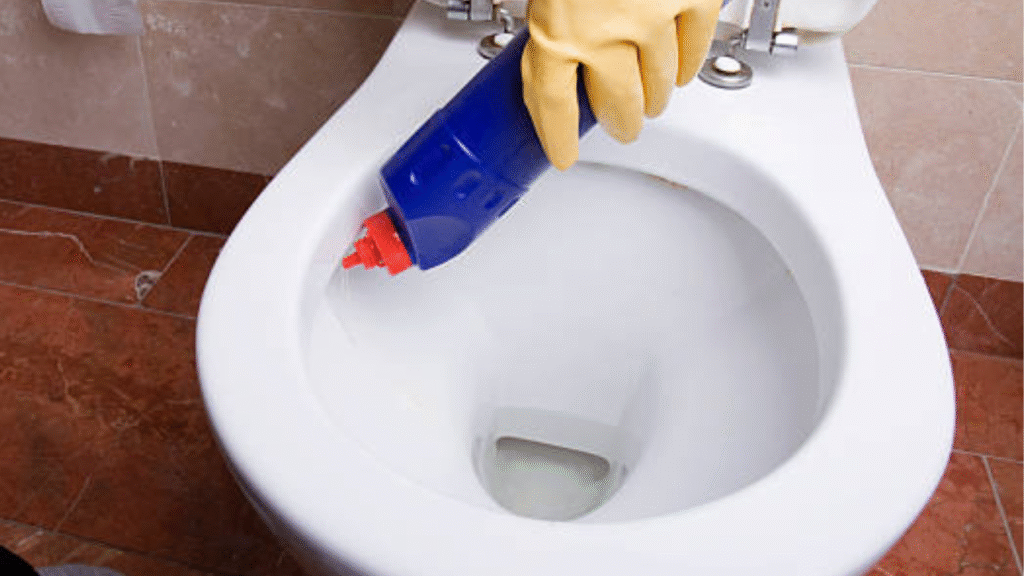
Once you have your chosen product, it is essential to apply it generously to ensure complete coverage. Start by lifting the toilet seat and applying the cleaner around the rim of the toilet bowl. Make sure to squeeze the bottle gently to release the product, allowing it to coat not only the top edge but also the inside walls of the bowl. It is important to cover all areas liberally, as this ensures that even the hard-to-reach spots benefit from the cleaner’s full efficacy.
Particular attention should be directed to areas often neglected, such as under the rim where stains can accumulate. By applying the cleaner in a continuous line along the entire rim, you encourage the solution to run down the sides of the bowl, tackling any grime or bacteria that may reside there. Allow the cleaner to sit for a sufficient amount of time; usually, this is around 10-15 minutes. This waiting period is vital as it enables the chemical components to break down mineral buildup and organic matter, making the subsequent cleaning process much easier. Investing this time is essential in ensuring that your toilet cleaning process yields the best results, leading to a thoroughly sanitized and fresh toilet bowl. The longer the product remains in contact with the surfaces, the more effective it will be at killing germs and lifting stains.
Scrubbing with a Toilet Brush
After allowing the toilet cleaning product to sit and activate for the recommended duration, it is time to engage in the scrubbing process with a toilet brush. This step is crucial for ensuring that all surfaces within the toilet bowl are thoroughly cleaned. Beginning at the rim, one should apply consistent pressure while using the brush to work from the top down, ensuring that any stains, scale, or residue are effectively dislodged.
When tackling stubborn stains, it can be beneficial to use a combination of back-and-forth and circular scrubbing motions. The bristles of the brush should be angled in such a way as to reach under the rim, where buildup often accumulates. Pay special attention to areas that tend to harbor more residues, such as under the lip of the toilet bowl and around the water outlet.
Using firm pressure is important; however, excessive force may damage the bowl’s finish. Therefore, it is advisable to find a balance between adequate pressure for scrubbing and caution to prevent surface damage. For tough stains or mineral deposits, consider leaving the cleaner for an additional few minutes before scrubbing to enhance its efficacy.
It is also essential to keep the brush clean and separate from other cleaning tools to avoid cross-contamination. After scrubbing, flush the toilet to rinse away any dislodged particles. Repeating this process periodically as part of the toilet cleaning process will help maintain a fresh and hygienic toilet bowl. Ensure to adhere to this technique for both optimal cleanliness and the longevity of the toilet’s surfaces.
Removing Dirt and Residue in the toilet cleaning process
After completing the initial cleaning of the toilet bowl with suitable cleaning agents, the next vital step in the toilet cleaning process involves flushing the toilet. This action serves a dual purpose; it not only eliminates the loosened dirt and debris but also rinses away excess cleaning products that might have collected in the bowl. Flushing allows for a thorough assessment of the bowl’s cleanliness, revealing any areas that may require additional attention.
During the flushing phase, it is important to observe the water as it washes the interior surface of the bowl. If you notice streaks, stains, or any lingering residue, this indicates that these areas may need extra scrubbing. The action of flushing acts as a reset for the toilet cleaning process, ensuring that any remaining worry of dirt is addressed.
To effectively identify these specific trouble spots, keep in mind common areas where stains accumulate. The rim of the bowl, particularly underneath, is often neglected and can harbor grime. Additionally, hard water deposits or mineral buildups at the waterline are frequent culprits and may require a dedicated cleaner designed to remove limescale.
Moreover, after flushing, consider using a quality toilet brush to give any problematic areas a brief scrub. This final step can be the difference between a basic clean and a truly deep clean, as it allows you to tackle stubborn stains effectively. If the problem persists, consider repeating the cleaning process with an emphasis on these identified trouble spots, thereby ensuring a more satisfactory result in overall hygiene and cleanliness.
Second Application and Scrub (When Needed)
In the toilet cleaning process, not all stains and buildups are created equal. Some toilets may require a more intensive approach, particularly when faced with stubborn hard water stains, mineral deposits, or other forms of heavy soiling. In such cases, a second application of the chosen cleaning product is often necessary to achieve optimal results.
To begin, apply your preferred cleaning solution generously to the toilet bowl, focusing on the areas that show significant staining or discoloration. Allow the product to dwell for an extended period, ideally 10 to 15 minutes, which provides the active ingredients in the cleaner adequate time to break down the grime and disinfect the surfaces. This additional dwell time increases the effectiveness of the cleaning agents, ensuring that they penetrate deeply into the stains.
Once this waiting period has elapsed, it’s time to take the next step in the toilet cleaning process. Armed with a toilet brush, give the bowl another thorough scrub, paying close attention to the toughest areas that may have resisted the initial cleaning. Use a circular motion and don’t hesitate to apply extra pressure on particularly stubborn spots. This vigorous scrubbing action dislodges embedded debris and effectively lifts away any lingering residues.
After scrubbing, flush the toilet to rinse away the cleaning solution along with any dislodged particles. If necessary, assess the toilet bowl for any remaining stains. In cases of persistent build-up, repeating the cleaning process might be warranted until the desired cleanliness is achieved. Performing a second application along with diligent scrubbing is a vital strategy for maintaining a hygienic toilet environment, ensuring a thorough cleaning every time.
Final Inspection and Touch-up
Upon completing the toilet cleaning process, performing a thorough final inspection is essential to ensure a pristine result. This step allows you to evaluate the effectiveness of your cleaning efforts by identifying any missed spots, stains, or areas necessitating touch-ups. A systematic approach during this inspection will help guarantee that no detail is overlooked.
First, step back and visually assess the toilet from various angles. Often, certain areas might appear clean up close but reveal stains or residues when viewed from a distance. Focus on the areas that are commonly overlooked during the cleaning process, such as the underside of the toilet seat, the rim, and behind the toilet bowl. These spots can harbor bacteria and grime if not properly addressed.
Next, run your hand along surfaces where you have applied cleaner to feel for any remaining residues. Employing a clean cloth to wipe these surfaces can reveal hidden dirt or stains that need additional attention. Should you find any missed spots, utilize the appropriate cleaning supplies to address them promptly.
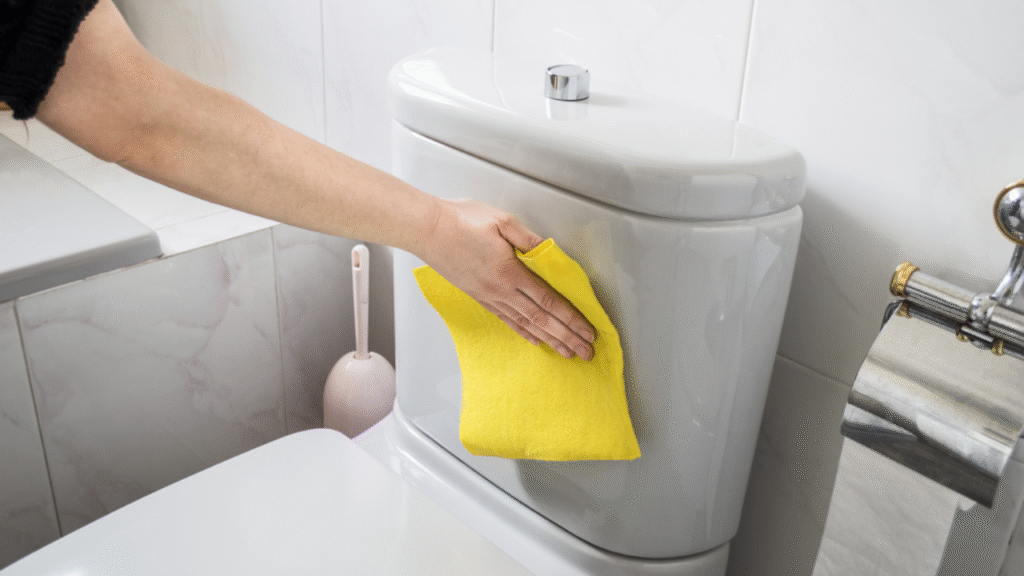
In addition to visual and tactile inspections, consider using a flashlight to illuminate hard-to-see areas within the toilet bowl or under the rim. This technique can uncover lingering stains or mineral deposits that may require further cleaning efforts. Additionally, it is advisable to check the cleanliness of the toilet’s exterior, including the tank and surrounding area, ensuring that the entire toilet cleaning process has achieved the desired cleanliness.
Finally, once everything appears spotless, consider setting a maintenance routine for regular inspections and touch-ups. This will contribute to keeping your toilet in pristine condition, enhancing hygiene and prolonging the time between deep cleaning sessions.
The Impact of Professional toilet Cleaning process
Engaging professional cleaning services for your toilet can yield numerous benefits, significantly impacting health, hygiene, and overall peace of mind. A professionally executed toilet cleaning process ensures that all surfaces, including hard-to-reach areas, are sanitized properly. This not only eliminates visible stains but also combats the proliferation of harmful bacteria and viruses that can thrive in unclean environments. Regularly maintaining a clean toilet through professional cleaning practices contributes to a healthier household and reduces the risk of infections.
From an aesthetic standpoint, a professionally cleaned toilet fosters a sense of comfort and tranquility. Individuals often feel more at ease using sanitary facilities, knowing that they are in a clean and well-maintained environment. Furthermore, professional cleanings typically utilize specialized equipment and cleaning agents that are more effective than standard household products, ensuring that the toilet is left in a pristine and hygienic state.
In terms of long-term benefits, ongoing professional cleaning can prevent the buildup of mineral deposits and grime that often accumulate over time. This preventative approach not only enhances the sustainability of your toilet fixtures but also reduces the frequency of repairs or replacements that may become necessary due to neglect. By investing in a consistent toilet cleaning process, homeowners can avoid costly plumbing issues down the line. Engaging professionals for regular cleaning services ultimately leads to maintaining sanitary conditions, ensuring that your bathroom remains a healthy and pleasant space. Therefore, choosing professional cleaning could very well be one of the most effective decisions for maintaining the hygiene of your toilet.
Best Practices in the toilet cleaning process
In summary, the toilet cleaning process involves a systematic approach that incorporates several crucial micro-steps to ensure a thorough clean. Each step, from initial preparation to deep scrubbing and final touches, plays a significant role in maintaining a hygienic toilet environment. By understanding the importance of these steps, homeowners can develop a routine that makes toilet cleaning efficient and effective.
One of the best practices to uphold cleanliness between professional cleanings is to schedule routine maintenance. Regularly inspecting and cleaning the toilet can prevent the build-up of stains and unpleasant odors. Consider allocating specific days for quick cleanings, which can include wiping down surfaces, refreshing the bowl with disinfectants, and checking for clogs or blockages.
Moreover, utilizing quality cleaning products designed for toilet care will enhance the effectiveness of your efforts, making the toilet cleaning process less labor-intensive over time.
Another essential aspect is educating all household members on proper toilet use and maintenance. Promoting habits such as flushing only appropriate materials and keeping personal hygiene supplies stocked can significantly reduce the frequency and intensity of cleaning tasks. Additionally, encouraging everyone to take part in minor cleaning tasks can spread the workload and foster a collective responsibility for maintaining a clean bathroom.
Lastly, when engaging in more intensive cleaning sessions, remember to prioritize safety by using gloves and masks. Proper ventilation during the cleaning process is equally important to ensure a safe environment as you tackle stubborn stains and germs. Ultimately, by integrating these best practices into your routine, you can contribute to a consistently clean and hygienic bathroom space.