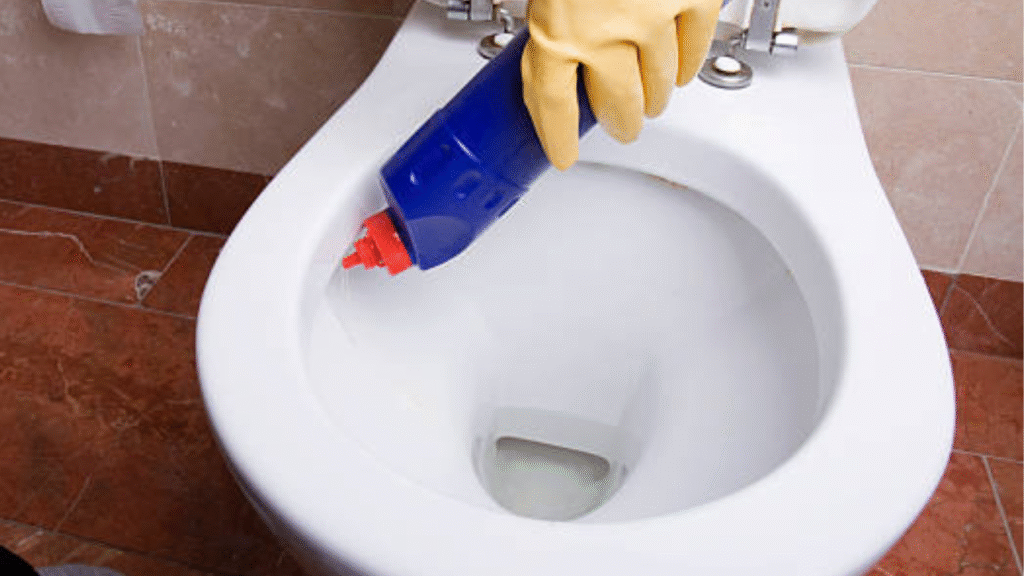
Toilet etiquette is a crucial component of social interaction, often overlooked, which encompasses the norms and behaviors expected in both public and private restrooms. This concept serves not only to maintain hygiene but also to ensure a respectful and comfortable environment for all users. Adhering to these practices can significantly enhance the overall restroom experience and reflect one’s consideration for others.
One of the essential elements of toilet etiquette is personal hygiene. Before and after cleaning, it is vital to employ proper sanitation measures. This includes washing hands thoroughly with soap and water after using the facilities, which helps prevent the spread of germs and maintains a clean atmosphere for the next user. The significance of hygiene cannot be overstated; it is fundamental to public health and personal responsibility.
Moreover, respect for others plays a pivotal role in restroom etiquette. This involves being mindful of noise levels, maintaining privacy, and ensuring that stalls are left clean and tidy after use. For instance, flushing the toilet after use is a basic but often neglected practice, which can lead to unpleasant situations for subsequent users. Additionally, disposing of sanitary items correctly and using the facilities as intended can prevent blockages and unpleasant odors.
Implementing good toilet etiquette contributes to a more pleasant environment. Visitors to public restrooms, in particular, may feel anxious about cleanliness and overall conditions. By practicing good habits before and after cleaning, individuals can create a more inviting and respectful atmosphere. In summary, toilet etiquette is essential for fostering mutual respect and hygiene in restroom spaces, making it imperative for everyone to be conscious of their behavior.
Assessing the Facilities
Before entering a public restroom, it is essential to conduct a thorough assessment of the facilities to ensure a comfortable and hygienic experience. This evaluation begins with the overall cleanliness of the restroom. A well-maintained bathroom reflects attentiveness to hygiene and guest welfare, while a dirty environment can lead to concerns regarding germs and unpleasant odors.
One of the first considerations should be the presence of necessary supplies. As you approach the stalls, check for essential items such as toilet paper and soap. The availability of these supplies is crucial for a satisfactory visit. Encountering an empty toilet paper roll or a lack of soap can be inconvenient and may require you to alter your bathroom plans.
The layout of the restroom is another important aspect to consider. Assess whether the stalls provide sufficient privacy as well as ease of access. Space between stalls should be enough to avoid discomfort, and the overall flow of the restroom should facilitate smooth usage, particularly during peak times. Areas that lead to congestion can cause stress and diminish the experience significantly.
Furthermore, evaluating additional features, such as the presence of hand dryers or paper towel dispensers, is a good practice. Hand hygiene is a critical part of toilet etiquette, and having options readily available is advantageous. They should be functional and conveniently located to promote adequate practices before and after using the restroom.
In summary, assessing the cleanliness, supply availability, and layout of public restroom facilities plays a vital role in ensuring a pleasant experience. Taking these factors into account can significantly improve not only individual comfort but also contribute to public health and hygiene awareness.
Personal Hygiene Practices
Adhering to personal hygiene practices before and after cleaning oneself in the restroom is crucial for maintaining overall health and well-being. Proper handwashing is one of the most effective ways to prevent the spread of germs and infections. The Centers for Disease Control and Prevention (CDC) recommends the following steps for effective handwashing: first, wet your hands with clean, running water, and then apply soap. It is essential to lather the soap by rubbing your hands together, ensuring to include the backs of hands, between fingers, and under nails. Scrubbing your hands for at least 20 seconds helps to ensure that any bacteria or viruses are adequately removed. Finally, rinse your hands under clean, running water and dry them using a clean towel or air dryer.
In instances where soap and water are unavailable, using hand sanitizer can be an effective alternative. The hand sanitizer should contain at least 60% alcohol to be effective against germs. Apply the sanitizer to the palm of one hand and rub your hands together, covering all surfaces until they feel dry. This method can be especially useful in public restrooms or facilities lacking proper sanitation resources.
Maintaining personal cleanliness also extends to the prevention of cross-contamination in shared restroom settings. Always try to use a paper towel to turn off faucets and to open doors upon exiting the restroom. This minimal step can significantly reduce the transfer of germs. Additionally, it is advisable to keep personal items, such as cell phones or bags, away from surfaces that could harbor bacteria. Following these essential practices not only ensures your own hygiene but contributes positively to the health of others using these shared facilities.
Privacy Considerations for toilet etiquette
When using public restrooms, understanding and respecting privacy is paramount. Privacy not only ensures a comfortable experience for oneself but also considers the comfort of fellow users. One practical step in establishing privacy is the use of locks on restroom doors. Checking that the lock is securely engaged before proceeding with one’s activities is essential to avoid unexpected interruptions. It is not only a fundamental courtesy to secure the door but also an essential action to uphold personal safety.
Another important aspect of restroom privacy is being mindful of noise levels. Recognizing that sounds associated with using the facilities can be unavoidable, it is crucial to maintain a level of discretion. Lowering one’s voice when engaging with someone in the restroom, if necessary, can help mitigate noise and contribute to a more respectful atmosphere. Furthermore, utilizing the paper towel dispenser or flushing strategically not only aids in maintaining cleanliness but also minimizes noise interruptions for other users.
Choosing a stall that provides maximum privacy is another consideration worth discussing. Users should opt for more secluded stalls, when available, particularly those located further from the restroom entrance where foot traffic is less likely. Selecting a stall with walls extending to the floor and an adequate door that seals effectively ensures a secure experience devoid of prying eyes.
Ultimately, fostering an environment of privacy in shared restrooms facilitates respect for others’ experiences. Practicing proper toilet etiquette by handling privacy considerations thoughtfully enhances the overall restroom experience for all. Such actions promote a culture of sensitivity and consideration, making public facilities more amicable for everyone involved.
Handling Emergencies and Unexpected Situations
Unexpected situations in the restroom, such as running out of toilet paper or encountering a malfunctioning toilet, can cause panic and embarrassment. However, it is essential to remain calm and resourceful in these circumstances. By preparing for potential emergencies, individuals can minimize stress and maintain proper toilet etiquette.
One common situation is finding oneself without toilet paper. The first step is to assess what is available. If you are in a public restroom, check for alternative supplies; some establishments may offer additional rolls or napkins nearby. If there are none, consider using materials like paper towels, if possible. It is advisable to rinse and clean any surfaces that may have been contaminated after using these alternatives, ensuring a hygienic environment.
In cases of a malfunctioning toilet, the best approach is to act promptly. If the toilet does not flush, turning off the water supply is usually a good first step. This prevents overflow while assessing the issue. Seek assistance if you are in a public facility; staff members are typically trained to handle these emergencies. If you are at home and unable to resolve the issue immediately, politely inform others in your household about the inconvenience to prevent accidental use.
Moreover, it may be beneficial to carry a small pack of tissues or wet wipes when using public restrooms to alleviate the discomfort of being caught off guard. Having a backup plan in place will not only help you navigate these unforeseen scenarios with composure but also contribute positively to the restroom environment.
Cultural Differences in Toilet Etiquette
Toilet etiquette varies significantly around the globe, reflecting the diverse cultural norms and societal values of different regions. Understanding these differences is essential for travelers to navigate restroom usage respectfully and effectively. In many Western countries, the use of toilet paper is the norm, while in several Eastern cultures, water-based cleansing methods are preferred. For instance, parts of Japan and many Middle Eastern nations utilize bidets or hand-held sprayers, which serve as alternatives to toilet paper and are considered more hygienic by local standards.
In certain Asian countries, such as India and Thailand, squat toilets can be quite common. These facilities may seem unfamiliar to travelers raised on Western-style toilets and require a different approach. Users should be cautious about balancing comfort with practicality, as proper use of these facilities frequently involves both physical agility and an understanding of local customs.
Another notable difference arises in social protocols associated with toilet usage. In some cultures, using the restroom is considered a private affair, and excessive conversation or lingering near the facilities can be frowned upon. Conversely, in certain communal settings, especially in several Latin American countries, there is a more relaxed attitude toward restroom interactions, with friends and families readily discussing various topics even while attending to personal needs.
In the context of cleanliness, it is crucial to note that hygiene practices vary. Travelers should be mindful of whether toilet seats are expected to be left clean or covered with paper, and whether it is standard to flush toilet paper or dispose of it in designated bins. Being informed about such differences can make a considerable difference in minimizing discomfort and enhancing the travel experience.
The Role of Design in toilet Etiquette
The design of restrooms plays a significant role in establishing proper toilet etiquette and enhancing the overall user experience. Factors such as accessibility, cleanliness, and layout not only contribute to the functional aspects of a restroom but also influence the perceptions and behaviors of those who use them.
Accessibility is a crucial element of restroom design, as it ensures that all individuals, regardless of physical limitations, can use the facilities comfortably and respectfully. Restrooms equipped with features such as grab bars, accessible stalls, and proper signage signal inclusiveness, reducing the pressure or discomfort that may be felt by individuals with disabilities. When restrooms prioritize accessibility, it fosters an environment where users can focus on maintaining etiquette rather than navigating physical challenges.
Cleanliness is another essential aspect that directly impacts restroom etiquette. A well-maintained restroom reflects a commitment to hygiene and respect for users. It is important for design to facilitate easy cleaning and upkeep, minimizing the presence of clutter and ensuring that surfaces are regularly sanitized. When users encounter a clean environment, they are more likely to adhere to proper etiquette, feeling encouraged to keep the space tidy and respectful for others.
The layout of a restroom also significantly influences the social dynamics and behaviors within. Thoughtful design can create private, discreet areas while integrating efficient traffic flow patterns to minimize wait times and congestion. For example, strategically placed dividers and ample space between stalls can enhance privacy, allowing users to maintain their personal comfort while using the facilities.
Incorporating these thoughtful design elements contributes to a more pleasant restroom experience, promoting positive behavioral norms and etiquette among users. Thus, before and after cleaning, the design remains a vital factor in influencing how individuals interact within restroom spaces.
Environmental Considerations
Being environmentally conscious in restrooms is increasingly important, as these spaces can significantly impact the environment if not used mindfully. One of the primary areas where individuals can make a difference is by using less paper. Opting for fewer paper towels or selecting energy-efficient hand dryers can greatly reduce paper waste, which contributes to deforestation and increased landfill mass. In commercial restrooms, encouraging establishments to install hand dryers or adopting a more sustainable approach can foster this change on a larger scale.
Furthermore, the choice of personal care products can also be a pivotal factor in promoting environmentally friendly restroom practices. Selecting eco-friendly products, such as biodegradable wipes, organic soaps, and recycled toilet paper, contributes to a decrease in harmful substances entering the waste stream, thereby protecting waterways and reducing pollution. Awareness of such options can lead to more sustainable choices, impacting the environment positively.
Another crucial aspect to consider is water usage in toilets. Traditional toilets often consume large quantities of water with each flush, contributing to water waste, especially in areas prone to drought. Installing low-flow or dual-flush toilets can significantly reduce water consumption, using only the amount necessary for efficient waste removal. Educating individuals on the advantages of these toilet systems not only encourages their adoption but also promotes responsible water usage in the restroom.
In conclusion, environmental considerations in restrooms encompass various practices that can contribute to a more sustainable future. By using less paper, choosing eco-friendly products, and being mindful of water usage, individuals can play a vital role in fostering better restroom habits that benefit both personal health and the environment.
Promoting Awareness and Education
Toilet etiquette is a fundamental aspect of maintaining cleanliness and consideration in shared spaces. Promoting awareness and education about proper restroom habits is essential to ensure that everyone understands and respects these important norms. By fostering a culture of respect for shared facilities, communities can enhance the overall restroom experience for all users.
Schools play a pivotal role in this initiative. Educational institutions can integrate toilet etiquette into their health and hygiene curricula, teaching students about the importance of cleanliness before and after cleaning up, as well as encouraging responsible use of shared restroom facilities. Workshops or informational sessions can also be organized, involving teachers and parents to underline the significance of these habits from an early age.
Businesses, too, have the responsibility to promote awareness about restroom etiquette among their employees and customers. By displaying clear signage in restrooms that outlines basic etiquette guidelines, businesses can remind users to engage in responsible habits. For instance, reminders to flush after use and to wash hands can significantly improve hygiene practices. Periodically conducting workplace training that emphasizes the importance of maintaining cleanliness can further reinforce these principles.
Moreover, community initiatives can foster a collective understanding of restroom norms. Local organizations can organize campaigns aimed at educating residents about proper restroom practices. This could include distributing flyers, utilizing social media platforms, or conducting community events focused on hygiene education. These collective efforts can help to cultivate a greater awareness of toilet etiquette, establishing expectations that every individual is responsible for upholding.
In conclusion, elevating awareness and education regarding toilet etiquette is a necessary endeavor that requires the collaboration of schools, businesses, and communities. Together, these initiatives can promote a culture of respect and cleanliness, ensuring that everyone knows and practices essential restroom habits.